
The holy month of Shravan, popularly known as Sawan, is one of the most sacred periods in Hinduism. Devotees across India dedicate this month to worshipping Lord Shiva with complete faith and devotion. Temples become vibrant with prayers, chants, and offerings, while millions observe Monday fasts and perform special pujas seeking peace, prosperity, and divine blessings.
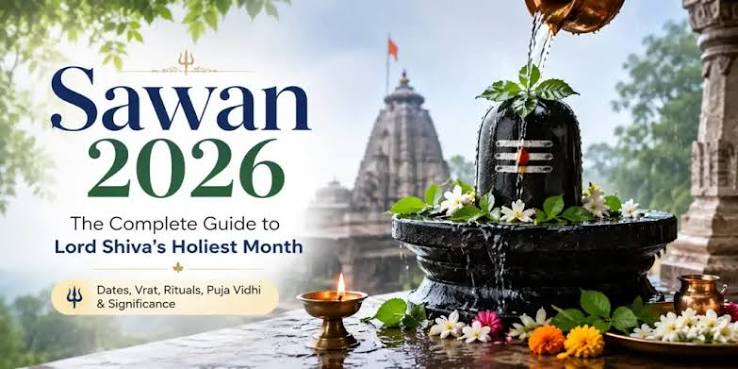
Sawan 2026 marks a spiritually significant time for those wishing to strengthen their connection with Mahadev. This month is believed to amplify positive energy, making prayers, meditation, and charitable acts especially meaningful. Whether you are a lifelong devotee or someone exploring Hindu traditions, understanding the importance of this sacred period can help you make the most of its spiritual opportunities.
What Makes the Month of Sawan So Special?
According to Hindu scriptures, the month of Shravan is especially dear to Lord Shiva. During this period, devotees offer holy water, milk, honey, bel leaves, dhatura, and white flowers to the Shiva Lingam. These offerings symbolize devotion, purity, and surrender.
Many devotees also recite the Maha Mrityunjaya Mantra and chant “Om Namah Shivaya” to invite inner peace and remove negative influences. The atmosphere during this month encourages spiritual discipline, self-reflection, and gratitude.
Importance of Sawan in Vedic Astrology
From the perspective of Vedic astrology, this month is considered highly auspicious for spiritual growth and positive transformation. Many astrologers recommend performing remedies related to planetary doshas during this period because devotional practices are believed to become more effective.
Sawan 2026 is expected to inspire many people to begin new spiritual routines, improve mental clarity, and seek divine guidance through prayer and meditation.
Astrological remedies commonly performed include:
- Rudrabhishek
- Shiva Abhishek
- Chanting Shiva mantras
- Donating food and clothes
- Feeding cows and needy people
- Lighting a ghee lamp daily
Sawan Somwar Vrat
One of the most popular traditions is observing the Monday fast, also known as Sawan Somwar Vrat.
Devotees observe this fast to seek:
- Better health
- Peace of mind
- Prosperity
- Successful marriage
- Strong family relationships
- Removal of obstacles
People usually wake up early, take a holy bath, wear clean clothes, visit Shiva temples, and offer prayers throughout the day.
Rituals Followed During Sawan
Some common rituals include in Sawan:
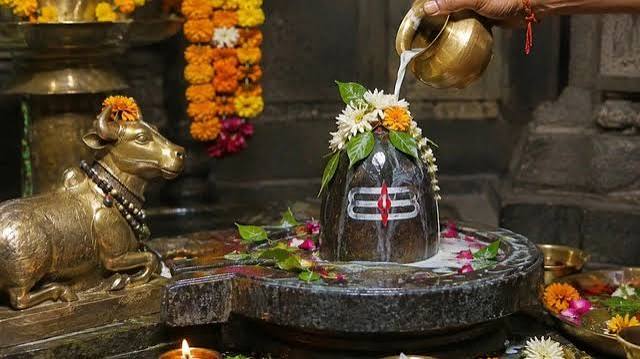
1. Shiva Abhishek
Offer water, milk, honey, curd, and Gangajal to the Shiva Lingam.
2. Bel Patra Offering
Bel leaves are considered extremely sacred and are among Lord Shiva’s favorite offerings.
3. Chanting Mantras
Regular chanting of:
- Om Namah Shivaya
- Maha Mrityunjaya Mantra
helps create a peaceful and positive environment.
4. Charity
Helping those in need is considered highly rewarding during this sacred month.
5. Meditation
Meditation improves concentration and allows devotees to experience greater inner calm.
Spiritual Benefits of Worshipping Lord Shiva in Sawan
Devotees believe sincere worship during Sawan 2026 can bring numerous spiritual benefits, including:
- Greater emotional balance
- Improved self-discipline
- Increased positivity
- Relief from stress
- Stronger faith
- Better decision-making
- Spiritual progress
Although these benefits are rooted in religious belief, many people also find that regular prayer, meditation, and acts of kindness contribute to overall well-being.
Things to Avoid During Sawan
Many families traditionally avoid:
- Speaking harshly
- Consuming alcohol
- Eating non-vegetarian food
- Negative thinking
- Anger
- Dishonesty
Instead, devotees are encouraged to practice compassion, humility, and patience throughout the month.
Why Devotion Matters More Than Rituals

While rituals hold cultural and religious significance, scriptures often emphasize that true devotion comes from sincerity of heart. Even simple prayers offered with faith are believed to be meaningful.
Sawan 2026 provides an opportunity to reconnect with spirituality through gratitude, mindfulness, and service to others rather than focusing only on elaborate ceremonies.
Frequently Asked Questions (FAQs)
1. What is the significance of Sawan in Hinduism?
Sawan is considered one of the holiest months in Hinduism and is dedicated to Lord Shiva. Devotees observe fasts, perform Shiva Puja, and seek blessings for peace, prosperity, and spiritual growth.
2. Why is Sawan dedicated to Lord Shiva?
According to Hindu beliefs, Lord Shiva is especially pleased by sincere worship during the month of Sawan. Offering water, milk, and Bel Patra to the Shiva Lingam is considered highly auspicious.
3. What is Sawan Somwar Vrat?
Sawan Somwar Vrat is a Monday fast observed during the month of Sawan. Devotees keep this fast to seek Lord Shiva’s blessings for good health, happiness, success, and harmonious relationships.
4. What are the benefits of worshipping Lord Shiva during Sawan?
Many devotees believe that worshipping Lord Shiva during Sawan brings inner peace, spiritual strength, positive energy, and helps remove obstacles from life.
5. What offerings are made to Lord Shiva during Sawan?
Common offerings include water, Gangajal, milk, honey, Bel Patra, white flowers, sandalwood paste, and fruits during Shiva Puja.