Author name: snehagiri589@gmail.com

Uncategorized

Navratri 2026: Dates, 9 Days, Colours, Puja Vidhi and Significance

One of the major Hindu festivals celebrated in honor of Durga Maa and her nine avatars is known as Navratri. It is called Navratri because тАЬnavтАЭ means nine. There are nine days of Navratri, during which devotees worship various avatars of goddess Durga, observe fasts and celebrate culturally. Navratri in 2026 will be significant for those devotees who are interested in finding out dates of Navratri, Ghatasthapana muhurat, Navratri colors, avatars of Goddess Durga and rituals. Sharad Navratri starts from October 11, 2026. Navratri 2026: When Does Sharad Navratri Begin and End? Sharad Navratri, otherwise termed Shardiya Navratri, is observed in the Ashwin month of the Hindu calendar. The first day of Sharad Navratri would be October 11, Sunday, in 2026. The first day of the festival is celebrated with the Ghatasthapana ritual and Maa Shailputri worship. The concluding part of the celebration includes various important rituals like Durga Ashtami, Navami, and Vijayadashami. The timing of some of the rituals may differ depending upon the place because the Hindu Panchang timing depends upon the local sunrise and other related things. Hence, people must check their Panchang timings before performing the ritual. Navratri 2026 Dates at a Glance Day Date Main Observance Day 1 October 11, 2026 Ghatasthapana, Maa Shailputri Day 2 October 12, 2026 Maa Brahmacharini Day 3 October 13, 2026 Maa Chandraghanta Day 4 October 14, 2026 Maa Kushmanda Day 5 October 15, 2026 Maa Skandamata Day 6 October 16, 2026 Maa Katyayani Day 7 October 17, 2026 Maa Kalaratri Day 8 October 18тАУ19, 2026* Maa Mahagauri / Ashtami observance Day 9 October 19, 2026* Maa Siddhidatri / Navami-related observance Vijayadashami October 20, 2026 Dussehra / Vijayadashami *The way Ashtami and Navami are observed can depend on the local Panchang and tithi. For this reason, readers should check their city-specific calendar before planning rituals. Ghatasthapana 2026: Date, Muhurat and Puja Timing Ghatasthapana is one of the key rituals which is observed during Navratri. It heralds the beginning of Navratri and is associated with worshipping Goddess Shakti. According to Navratri 2026 calendar, Ghatasthapana will occur on October 11, 2026. Muhurat varies from place to place. For instance, according to Panchang calculations, there are different timings for Vijayawada, Kolkata, and Bengaluru. Therefore, it is advisable to refer to the local Panchang rather than following a common time for all cities. How to Perform Ghatasthapana During Navratri 2026? Some of the basic procedures in a traditional manner include: Clean the location at which puja will be conducted.Put down the clean wooden platform for conducting the puja or make the puja area ready.Cover some soil in a proper container and sow barley seeds if it is according to your family traditions.Position the Kalash following the traditional method of puja.Decorate the puja area with flowers and other items of puja.Worship Mother Durga and get blessings from her.Maintain the Kalash in the designated puja area during the entire festival according to the traditions of your family. It is advisable to follow the instructions from Panchang of your family or the local priest. Navratri 2026: 9 Days, 9 Goddesses and Their Significance One of the most special parts of Navratri 2026 is the worship of the nine forms of Goddess Durga. These forms are commonly known as Navdurga. Day Goddess Simple Meaning Day 1 Maa Shailputri Represents strength and stability Day 2 Maa Brahmacharini Represents devotion and determination Day 3 Maa Chandraghanta Represents courage and peace Day 4 Maa Kushmanda Associated with energy and creation Day 5 Maa Skandamata Represents motherhood and care Day 6 Maa Katyayani Represents courage and power Day 7 Maa Kalaratri Associated with protection and the removal of fear Day 8 Maa Mahagauri Represents purity and peace Day 9 Maa Siddhidatri Associated with spiritual knowledge and blessings Day 1: Maa Shailputri Maa Shailputri is worshipped on the first day of Navaratri. The idol of Maa Shailputri has been represented riding a bull, holding a trident and lotus in her hands. Day 2: Maa Brahmacharini Maa Brahmacharini is worshipped on the second day. She is the goddess of dedication, perseverance, and determination. People pray to her for inner strength. Day 3: Maa Chandraghanta Third day, Maa Chandraghanta is worshiped. The word “Chandraghanta” has been derived from the crescent moon shape that marks her forehead. She is related to valor and calmness. Day 4: Maa Kushmanda Maa Kushmanda is revered on the fourth day. She is considered to be the embodiment of creativity and life-force energy. Day 5: Maa Skandamata The fifth day is dedicated to Maa Skandamata. She represents motherhood, care and protection. Day 6: Maa Katyayani Maa Katyayani is celebrated on the sixth day. She is generally considered a form of Goddess Durga who symbolizes strength and bravery. Day 7: Maa Kalaratri The seventh day is that of Maa Kalaratri. She symbolizes protection and courage. People pray to her to ward off fear and negative thoughts. Day 8: Maa Mahagauri The Goddess Maa Mahagauri is invoked on the eighth day. She symbolizes purity, peace and tranquility. Day 9: Maa Siddhidatri Form number nine is Maa Siddhidatri. She represents spirituality and wisdom and is known for her divine grace. Navratri 2026 Colours: Day-Wise Colour List It is a common practice in many parts of India to wear different colours on Navratri days. The list of colours may differ according to region and calendar; hence readers need to follow their local colour traditions. The colour sequence in one of the calendars published for 2026 is as follows: orange, white, red, royal blue, yellow, green, grey, purple and peacock green. Day Date Colour Day 1 October 11 Orange Day 2 October 12 White Day 3 October 13 Red Day 4 October 14 Royal Blue Day 5 October 15 Yellow Day 6 October 16 Green Day 7 October 17 Grey Day 8 October 18 Purple Day 9 October 19 Peacock Green Navratri 2026 Puja Vidhi: How to Perform Navratri Puja at Home Navratri Puja can take many forms according to the family traditions and regional
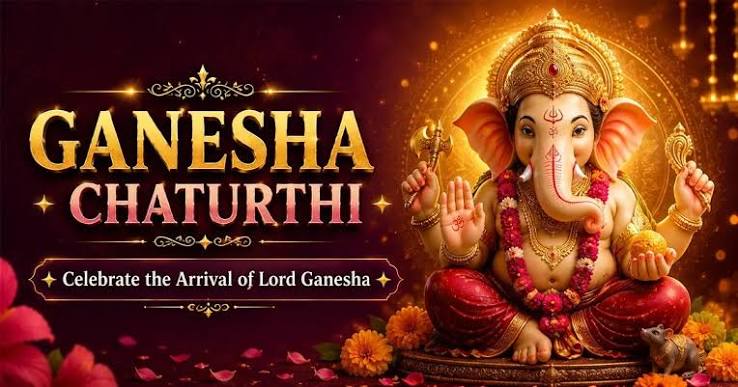
Ganesh Chaturthi 2026 date, muhurat and puja vidhi guide featuring Lord Ganesha idol
Uncategorized

Ganesh Chaturthi 2026: Date, Muhurat, Puja Vidhi & Significance

Ganesh Chaturthi is one of the most exciting festivals in India. It’s the day Lord Ganesha, the elephant-headed god, comes to visit our homes! People clean their houses, buy a small clay idol of Ganesha, do puja (worship), and after a few days, say goodbye to him with a ceremony called visarjan. In this blog, you will learn everything about Ganesh Chaturthi 2026 тАФ the exact date, the best time for puja, the story behind the festival, and simple step-by-step instructions anyone can follow, even if this is your first time celebrating. Ganesh Chaturthi 2026 Date and Day Ganesh Chaturthi 2026 falls on Monday, 14th September 2026. This day marks the birthday of Lord Ganesha. It comes every year in the Hindu month of Bhadrapada, which usually falls between August and September in our regular calendar. Why Ganesh Chaturthi Date Changes Every Year Have you ever wondered why Ganesh Chaturthi is not on the same date every year, unlike your birthday? That’s because Hindu festivals follow the lunar calendar (based on the moon), not the regular calendar we use daily (based on the sun). A lunar month is only about 29.5 days long, so it doesn’t match up exactly with our 365-day year. This is similar to how Easter also shifts dates every year for Christians. Ganesh Chaturthi always falls on the 4th day (Chaturthi) of the bright half (Shukla Paksha) of the Bhadrapada month тАФ but the exact date on our calendar keeps changing. Ganesh Chaturthi 2026 Shubh Muhurat (Sthapana Timing) “Muhurat” simply means the best and most auspicious time to do something important тАФ in this case, installing the Ganesha idol at home. Event Timing Ganesh Chaturthi Date Monday, 14 September 2026 Madhyahna (Midday) Muhurat Approximately 11:00 AM тАУ 1:30 PM Best Avoided Period Bhadra Kaal (check local Panchang) Chaturthi Tithi Start & End Time 2026 The Chaturthi tithi (lunar day) begins a little before sunrise on 14th September and continues into the next day. Because exact minute-by-minute timing depends on your city, it’s best to check a trusted Panchang website closer to the date for your exact location. Madhyahna Puja Muhurat & Rahu Kaal to Avoid The midday period is considered the most powerful time for Ganesh Sthapana because Lord Ganesha is believed to have been born around noon. Try to avoid starting your puja during Rahu Kaal or Bhadra Kaal, as these are considered inauspicious time windows in Hindu astrology. Ganesh Chaturthi 2026 Astrological Significance (Panchang & Nakshatra Analysis) From an astrology point of view, Ganesh Chaturthi is special because it falls on a Monday, which is ruled by the Moon тАФ a day already considered good for starting new things. When Chaturthi tithi combines with a favourable nakshatra (star position), it is believed to multiply the positive energy of the puja. This is why many astrologers recommend performing Ganesh puja exactly during the Panchang-suggested muhurat rather than any random time of day. Ganesh Chaturthi 2026: Impact on 12 Zodiac Signs (Rashifal) Here’s a simple guide on what this festival might mean for you, based on your zodiac sign (rashi): Zodiac Sign What Ganesh Chaturthi 2026 May Bring Aries New opportunities in career Taurus Financial stability and gains Gemini Improved communication and relationships Cancer Emotional peace and family bonding Leo Confidence boost and recognition Virgo Clarity in decision-making Libra Balance in personal life Scorpio Removal of long-standing obstacles Sagittarius Growth in studies or travel plans Capricorn Career advancement Aquarius New friendships and networks Pisces Spiritual growth and inner calm (Note: This is general guidance. For precise predictions, always consult a qualified astrologer.) Ganesh Chaturthi 10-Day Festival Calendar 2026 (Sthapana to Visarjan) Day Date Occasion Day 1 Mon, 14 Sept Ganesh Sthapana (Installation) Day 2 Tue, 15 Sept Daily worship Day 3 Wed, 16 Sept Daily worship Day 4 Thu, 17 Sept Daily worship Day 5 Fri, 18 Sept Daily worship Day 6 Sat, 19 Sept Daily worship Day 7 Sun, 20 Sept Daily worship Day 8 Mon, 21 Sept Daily worship Day 9 Tue, 22 Sept Daily worship Day 10 Wed, 23 Sept Anant Chaturdashi тАУ Ganesh Visarjan Not everyone celebrates for all 10 days. Many families keep the idol for just 1.5 days, 3 days, 5 days, or 7 days тАФ and that’s completely fine! What matters most is your devotion, not the number of days. Ganesh Visarjan 2026 Date (Anant Chaturdashi) The festival officially ends on Wednesday, 23rd September 2026, called Anant Chaturdashi. On this day, people take Lord Ganesha’s idol for immersion in water (a river, lake, or even a bucket at home), while chanting the popular phrase: “Ganpati Bappa Morya, Purchya Varshi Laukarya” тАФ meaning “Come again next year, Lord Ganesha!” Moon Sighting Rules on Ganesh Chaturthi (Chandra Darshan Dosha) Here’s an interesting rule: on Ganesh Chaturthi, you are supposed to avoid looking at the moon. According to a popular story, Lord Ganesha once fell off his mouse (his vehicle), and the moon laughed at him. Angry at this, Ganesha cursed the moon, saying anyone who sees it on this day will face a false accusation (called Mithya Dosha). In 2026, try to avoid moon-gazing between roughly 9:00 AM and 8:10 PM on 14th September (exact timing may vary slightly by city). Remedy for Mithya Dosha (Moon Sighting Mantra) Don’t worry if you accidentally see the moon! There’s a simple remedy тАФ recite the Syamantaka Mani shloka, a short Sanskrit verse dedicated to Lord Krishna, which is believed to cancel out the dosha (negative effect). Story & Significance of Ganesh Chaturthi (Birth of Lord Ganesha) Every festival has a story, and Ganesh Chaturthi’s story is fascinating. Goddess Parvati wanted a guard while she bathed, so she made a boy out of turmeric/sandalwood paste and brought him to life. She named him Ganesha and told him to guard the door. When Lord Shiva (Parvati’s husband) came home, Ganesha didn’t recognise him and stopped him from entering. Shiva got angry and, in the fight that followed, cut off Ganesha’s head! When Parvati found

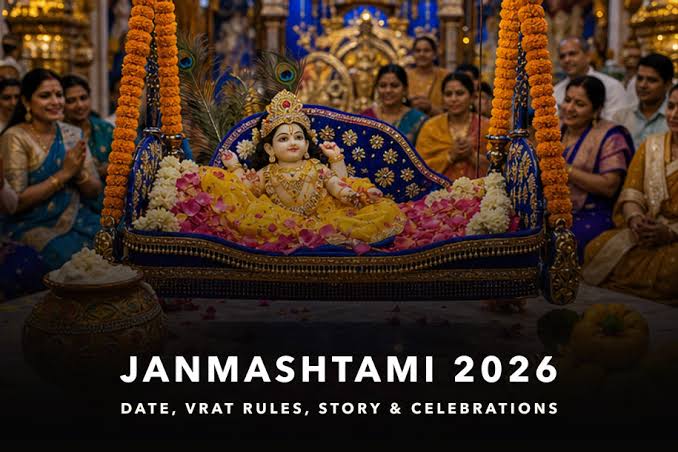
Janmashtami 2026 Lord Krishna birthday celebration with puja decorations
Uncategorized

Janmashtami 2026: Date, Muhurat, Puja Vidhi & Astrological Significance

Janmashtami 2026 falls on Friday, September 4, 2026. It is one of the most loved Hindu festivals because it celebrates the birthday of Lord Krishna, who is believed to be the eighth avatar (form) of Lord Vishnu. On this day, people fast, sing songs, decorate temples, and stay up until midnight to celebrate the exact moment Krishna was born. This guide explains everything about Janmashtami 2026 in simple words тАФ the correct date, puja timings, fasting rules, the story behind the festival, and even what it means for your zodiac sign. Whether you are a student learning about Indian festivals or someone planning your puja, this article covers it all. When is Janmashtami 2026? Date, Day & Overview Janmashtami is celebrated on the 8th day (Ashtami) of the dark fortnight (Krishna Paksha) in the Hindu month of Bhadrapada. Because Hindu festivals follow the Moon calendar (not the regular calendar we use every day), the date changes every year. Think of it like this тАФ just like we celebrate a friend’s birthday at a specific time each year, Hindus celebrate Krishna’s “birthday” based on where the Moon and stars were positioned when he was born, thousands of years ago. Janmashtami 2026 Puja Muhurat Timings (City-Wise) “Muhurat” simply means the most auspicious (best) time to do something. For Janmashtami, the most important time is called Nishita Kaal, which means “midnight time” тАФ because Krishna was born exactly at midnight. City Nishita Puja Time (Sept 4тАУ5, 2026) Duration New Delhi 11:57 PM тАУ 12:43 AM 45 minutes Mumbai 12:24 AM тАУ 1:09 AM 45 minutes Mathura 11:55 PM тАУ 12:40 AM 45 minutes Bengaluru 12:14 AM тАУ 12:58 AM 44 minutes Kolkata 11:19 PM тАУ 12:04 AM 45 minutes Note: Timings can shift slightly by a few minutes depending on your exact location, so it’s best to check a local Panchang (Hindu calendar) for your city. Ashtami Tithi & Rohini Nakshatra Timings 2026 Two things need to line up for Janmashtami to be extra special: the Ashtami Tithi (the date) and the Rohini Nakshatra (a star position). Krishna was born when both were present at the same time. Event Timing Ashtami Tithi begins September 4, 2026, early morning Ashtami Tithi ends September 5, 2026, morning Rohini Nakshatra begins September 4, 2026, late night Rohini Nakshatra ends September 4, 2026, night (before midnight in most cities) Nishita Puja Time & Parana (Fast-Breaking) Time 2026 Parana is an important word to remember тАФ it means the moment when the fast officially ends and you can eat normal food again. Most people break their fast early the next morning, once the Ashtami date has fully passed. Janmashtami 2026: Sept 4 or Sept 5? Smarta vs Vaishnava Dates Explained You might notice that some people celebrate Janmashtami on September 4, while others celebrate it on September 5. This isn’t a mistake тАФ it’s because of two different Hindu traditions: A simple way to remember: if your family follows regular home traditions, you’ll likely celebrate on September 4. If you follow ISKCON or a Vaishnav temple, check their announcement, as it may be September 4 or 5. Janmashtami 2026 Fasting Rules (Vrat Vidhi) Fasting (called “vrat”) is one of the main parts of Janmashtami. Here’s how it’s usually done: Janmashtami 2026 Puja Vidhi: Step-by-Step Process Here is a simple, step-by-step way the puja (worship ritual) is usually performed at home: Krishna Janmashtami Katha: The Legend of Lord Krishna’s Birth Long ago, a cruel king named Kansa ruled the city of Mathura. He heard a prophecy that the eighth child of his sister Devaki would end his life. Fearing this, Kansa locked Devaki and her husband Vasudev in prison and killed each of their children as soon as they were born. When the eighth child was finally born тАФ at midnight, during a huge thunderstorm тАФ something magical happened. The prison chains broke open, the guards fell asleep, and Vasudev was able to carry the baby safely across the Yamuna river to the home of Nanda and Yashoda in Gokul. This baby was Lord Krishna. He grew up as a playful, mischievous, and much-loved child in Gokul before eventually returning to Mathura, where he defeated Kansa and restored peace and justice to the kingdom. This story is why Janmashtami is celebrated with so much joy тАФ it marks the victory of good over evil. Astrological Significance of Janmashtami 2026 (Jupiter & Saturn Transits) In 2026, Janmashtami arrives during a special planetary period. Jupiter is exalted in Cancer, meaning it is in its strongest and most positive position, something that happens only once every 12 years. At the same time, Saturn is placed in Pisces. Interestingly, Krishna’s own birth story is linked to Saturn тАФ his father Vasudev carried him across the river while Saturn’s energy was said to be strongly present. This mix of a powerful Jupiter and a meaningful Saturn placement makes Janmashtami 2026 feel extra significant for prayers related to family, wisdom, and new beginnings. Janmashtami 2026 Effect on Your Zodiac Sign (Moon Sign-Wise) Since Jupiter’s position changes the energy of each zodiac sign differently, here’s a simple look at what Janmashtami 2026 may mean based on your Moon sign. Aries (Mesha) Jupiter’s placement brings family happiness and blessings related to home. A good day for prayers about your household. Taurus (Vrishabha) Since Krishna was born in Rohini Nakshatra, which is connected to Taurus, this Janmashtami feels extra personal and meaningful for you. Gemini (Mithuna) A good time for money-related prayers. Sharing food with others can bring good fortune your way. Cancer (Karka) Jupiter is exalted in your own sign, making this one of the most powerful Janmashtami periods for personal growth. Leo (Simha) A good time for quiet reflection, meditation, and spiritual practices, more than loud celebrations. Virgo (Kanya) Prayers for financial goals are well-supported. Helping others on this day may bring good returns. Libra (Tula) A good period for career-related wishes, since Krishna is seen as a wise leader and guide. Scorpio (Vrishchika) A

Uncategorized

Kundali (Janam Kundali): A Complete Guide to Understanding Your Birth Chart

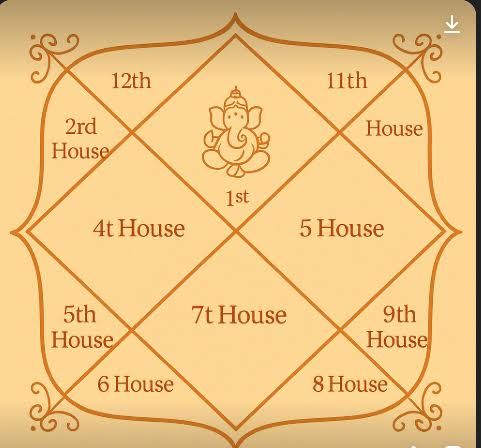
Have you ever wondered why astrologers ask for your date of birth, time of birth, and place of birth before making predictions? The answer lies in your Kundali. Also known as a Janam Kundali, it is a birth chart used in Vedic astrology to understand different aspects of a person’s life. A Kundali shows the positions of the Sun, Moon, planets, and zodiac signs at the exact time of your birth. According to Vedic astrology, these planetary positions can help understand your personality, career, education, relationships, health, and financial life. A Kundali is created using your birth details and is unique for every individual. In this beginner-friendly guide, you’ll learn what a Kundali is, how it is created, its main parts, and how to read it in simple language. What is Kundali? A Kundali, also called a Janam Kundali, Janam Patrika, or birth chart, is a diagram that shows where the nine planets were located at the exact moment you were born. It is one of the most important tools used in Vedic astrology (Jyotish). To create a Kundali, three details are required: Using this information, astrologers or astrology software calculate the positions of the planets and place them inside a chart made up of 12 houses and 12 zodiac signs. You can think of a Kundali as a map of the sky at the time of your birth. Just as every person’s fingerprint is different, every Kundali is also unique. Why is Kundali Important? Many people believe that a Kundali helps them understand different areas of life. It is commonly used to study: Some people also use their Kundali to choose suitable dates for important events like marriage, starting a business, or buying a house. However, it is important to understand that astrology is a traditional belief system. Different astrologers may interpret the same Kundali differently, so it should be seen as guidance rather than a guaranteed prediction. How to Create a Free Kundali Online Today, creating a Kundali is easier than ever. Many astrology websites allow you to generate a free Kundali online within a few seconds. To create your Kundali, you usually need to enter: Once these details are entered, the software calculates the planetary positions and prepares your birth chart automatically. Most online Kundali reports also include information about your Lagna (Ascendant), Rashi (Moon Sign), planetary positions, and basic predictions. Why is Birth Time Important in Kundali? One of the most important details in a Kundali is your birth time. The position of the Lagna (Ascendant) changes approximately every two hours. Even a small mistake in your birth time can change the placement of houses and planets in the chart. For example, if someone enters the wrong birth time by 30тАУ60 minutes, their Kundali may look different, leading to a different interpretation. That is why astrologers always recommend using the most accurate birth time possible. How is a Kundali Made? A Kundali is created by calculating the positions of the Sun, Moon, and planets at the exact time and place of your birth. Earlier, astrologers performed these calculations manually using astronomical tables. Today, astrology software completes these calculations within seconds. The software considers: After calculating these details, it creates a chart showing the placement of planets in different houses. Main Parts of a Kundali Although a Kundali may look complicated at first, it is mainly made up of four important parts: Understanding these four parts makes reading a Kundali much easier. 12 Houses in Kundali and Their Meaning Every Kundali has 12 houses, and each house represents a different part of life. House Represents 1st House Personality, appearance, confidence 2nd House Family, money, speech 3rd House Communication, courage, siblings 4th House Home, mother, property 5th House Education, creativity, children 6th House Health, competition, daily work 7th House Marriage and partnerships 8th House Change, hidden matters 9th House Luck, higher education, spirituality 10th House Career and profession 11th House Income, friends, achievements 12th House Expenses, foreign travel, spirituality 12 Zodiac Signs (Rashi) in Kundali Every Kundali also contains the 12 zodiac signs, known as Rashi in Vedic astrology. These are: Each zodiac sign is believed to have different qualities. For example, Aries is often associated with confidence, while Virgo is linked with careful planning and attention to detail. 9 Planets (Navagraha) and Their Role in Kundali In Vedic astrology, Navagraha refers to the nine planetary influences used in a Kundali. These are: Each planet represents different aspects of life. For example: Rahu and Ketu are not physical planets but are important points used in Vedic astrology. What is Lagna (Ascendant)? Lagna, also called the Ascendant, is one of the most important parts of a Kundali. It is the zodiac sign that was rising in the eastern sky at the exact time and place of your birth. The Lagna forms the first house of your Kundali. It plays a key role in understanding your: Since the Lagna changes approximately every two hours, even a small mistake in your birth time can affect your Kundali. This is why astrologers always ask for the exact birth time. What is Nakshatra? In Vedic astrology, the sky is divided into 27 Nakshatras, also known as lunar constellations. Your Nakshatra is determined by the position of the Moon at the time of your birth. Many astrologers use Nakshatras to understand a person’s: Each Nakshatra has its own qualities and is linked with a ruling planet. Along with your zodiac sign, the Nakshatra provides additional details about your birth chart. What is the Navamsa Chart? The Navamsa Chart (D9 Chart) is an important divisional chart in Vedic astrology. It is studied together with the main Kundali to gain deeper insights. Astrologers commonly use the Navamsa Chart to understand: While the main Kundali gives an overall picture of life, the Navamsa Chart helps astrologers examine specific areas in greater detail. How to Read a Kundali for Beginners A Kundali may look complicated at first, but learning the basics is easier than it seems. Follow

Nag Panchami 2026 feature image showing Lord Shiva, Nag Devta and traditional puja rituals
Uncategorized

Nag Panchami 2026: Date, Puja Muhurat, Vidhi, Significance and Remedies

Nag Panchami 2026 is an important Hindu festival dedicated to the worship of Nag Devta, or serpent deities. It is observed on the Shukla Paksha Panchami Tithi of the Shravan month. The festival is associated with devotion, protection, nature, and Lord Shiva. In 2026, Nag Panchami will be observed on Monday, 17 August 2026 in most parts of India. The Panchami Tithi begins on 16 August and ends on 17 August. This guide explains the Nag Panchami 2026 date, puja muhurat, tithi, puja vidhi, samagri, vrat rules, significance, mythology, mantras and astrology-related beliefs in simple language. Nag Panchami 2026 Date and Day Nag Panchami 2026 will be celebrated on Monday, 17 August 2026. It falls during the holy month of Shravan and on Shukla Paksha Panchami. Nag Panchami 2026 Details Information Festival Nag Panchami Date Monday, 17 August 2026 Tithi Shukla Paksha Panchami Month Shravan/Sawan Panchami Tithi Begins 16 August 2026, around 4:52 PM Panchami Tithi Ends 17 August 2026, around 5:00 PM Exact timings can vary slightly depending on the city and local Panchang. When Is Nag Panchami 2026? Nag Panchami falls on 17 August 2026 in most parts of India. Although the Panchami Tithi begins on the evening of 16 August, the festival is observed on 17 August because the relevant Panchami period falls during the morning of that day. Nag Panchami 2026 Puja Muhurat and Timing The Nag Panchami 2026 Puja Muhurat is generally in the morning. For example, Drik Panchang gives a morning puja window of 6:06 AM to 8:38 AM for Shahabad, while other locations have slightly different timings. Another published Panchang-based source gives approximately 6:00 AM to 8:10 AM for North India. These differences happen because sunrise and local geographical calculations vary by location. Therefore, if you are performing the puja, check a city-specific Panchang for the most accurate muhurat. Nag Panchami 2026 Tithi and Panchang Details Nag Panchami is connected with Shravan Shukla Panchami, meaning the fifth lunar day of the bright fortnight of the Shravan month. For 2026, the Panchami Tithi begins on 16 August in the afternoon and ends on 17 August in the late afternoon. This festival also has a special connection with Lord Shiva because Nag Devta are closely associated with Shiva in Hindu tradition. In 2026, Nag Panchami also falls on a Monday, which is traditionally considered an important day for Shiva worship during Shravan. Nag Panchami 2026 Significance in Hindu Religion Nag Panchami is celebrated to show respect to Nag Devta and the natural world. In Hindu traditions, serpents have an important place in mythology and are associated with several deities. The festival is also connected with Lord Shiva, who is traditionally shown with a serpent around his neck. Devotees therefore worship Nag Devta and Shiva with prayers and offerings. Beyond religious traditions, Nag Panchami can also be understood as a reminder respect nature and living creatures. Why Are Nag Devta Worshipped on Nag Panchami? Nag Devta are respected in Hindu mythology as powerful divine beings. Different traditions associate them with protection, fertility, rainfall and the balance of nature. Worshipping them on Nag Panchami is believed by devotees to bring peace and protection to the family. Nag Panchami 2026 Mythological Story and Importance Nag Panchami is associated with many stories and the traditions may vary from one region to another. Nag Devta is linked with Lord Shiva by a significant tradition. Snakes are a key part of his religious symbolism and he is often portrayed with a serpent around his neck. Another popular tradition is of Ananta Shesha, the great serpent of Lord Vishnu. According to Hindu mythology, Lord Vishnu rests on the snake Shesha. The wider mythology of serpents is also associated with stories about Takshaka and King Janamejaya. These stories are remembered in different regional traditions. The festival thus has religious and cultural meaning. ItтАЩs not just about doing a ritual but also respecting traditions, nature and the divine. Nag Panchami 2026 Puja Vidhi The Nag Panchami Puja Vidhi can vary according to family and regional traditions. A simple traditional puja can include the following steps: It is better to follow your family’s established tradition or guidance from a knowledgeable priest when specific rituals are involved. Nag Panchami Puja Samagri List 2026 Commonly used items include: The exact list can differ according to local customs. Nag Panchami 2026 Mantra for Nag Devta Puja Devotees may recite traditional prayers or Nag Devta mantras during worship. One commonly recited traditional mantra is: тАЬOm Anantaya Namah.тАЭ Some traditions also worship the twelve principal Nagas, including Ananta, Vasuki, Shesha, Padma, Mahapadma and Takshaka. The main purpose of mantra recitation is devotional focus and prayer rather than simply repeating words. Nag Panchami 2026: What to Offer to Nag Devta? Traditional offerings may include flowers, fruits, sweets and other items according to local customs. Some traditions mention milk and other foods as offerings. However, it is important not to approach or feed wild snakes. Religious observance can be performed safely using an image, idol or symbolic representation of Nag Devta. Nag Panchami 2026 Vrat Vidhi and Rules Some devotees observe a fast on Nag Panchami. Vrat practices differ between families and regions. A simple approach includes: Fasting is a personal religious practice, so children and teenagers should not follow restrictive fasting without guidance from a parent or another trusted adult. Nag Panchami 2026: What to Do and What to Avoid Do on Nag Panchami Avoid on Nag Panchami Worship Nag Devta respectfully Do not harm snakes or other animals Keep the puja area clean Avoid disrespectful behaviour during puja Offer traditional bhog symbolically Do not disturb wild snakes Chant prayers or mantras Avoid unnecessary arguments Worship Lord Shiva if part of your tradition Do not force yourself to follow a fast The festival is fundamentally about reverence and respect, so rituals should always be performed safely. Nag Panchami 2026 Remedies for Rahu, Ketu and Sarpa Dosha In astrology, Nag Panchami is sometimes associated with Rahu, Ketu and Kaal Sarp Dosha.

Free online Janam Kundli in Hindi reading with birth chart
Uncategorized

Free Online Janam Kundli in Hindi Reading тАУ рдЬрдиреНрдо рдХреБрдВрдбрд▓реА рд╣рд┐рдВрджреА рдореЗрдВ рдХреИрд╕реЗ рдкрдврд╝реЗрдВ?

рдЖрдЬ рдХреЗ рд╕рдордп рдореЗрдВ рдЗрдВрдЯрд░рдиреЗрдЯ рдХреА рдорджрдж рд╕реЗ Free Online Janam Kundli in Hindi Reading рдХрд░рдирд╛ рдкрд╣рд▓реЗ рд╕реЗ рдХрд╣реАрдВ рдЕрдзрд┐рдХ рдЖрд╕рд╛рди рд╣реЛ рдЧрдпрд╛ рд╣реИред рдХреЗрд╡рд▓ рдЕрдкрдиреА рдЬрдиреНрдо рддрд┐рдерд┐, рдЬрдиреНрдо рд╕рдордп рдФрд░ рдЬрдиреНрдо рд╕реНрдерд╛рди рджрд░реНрдЬ рдХрд░рдХреЗ рдЖрдк рдХреБрдЫ рд╣реА рдорд┐рдирдЯреЛрдВ рдореЗрдВ рдЕрдкрдиреА рдЬрдиреНрдо рдХреБрдВрдбрд▓реА рдкреНрд░рд╛рдкреНрдд рдХрд░ рд╕рдХрддреЗ рд╣реИрдВред рдХрдИ рдСрдирд▓рд╛рдЗрди рдкреНрд▓реЗрдЯрдлрд╝реЙрд░реНрдо рдЖрдкрдХреА рдХреБрдВрдбрд▓реА рдореЗрдВ рд▓рдЧреНрди, рд░рд╛рд╢рд┐, рдирдХреНрд╖рддреНрд░, 12 рднрд╛рд╡, 9 рдЧреНрд░рд╣, рдпреЛрдЧ, рджреЛрд╖ рдФрд░ рджрд╢рд╛ рдЬреИрд╕реА рдорд╣рддреНрд╡рдкреВрд░реНрдг рдЬрд╛рдирдХрд╛рд░рд┐рдпрд╛рдБ рджрд┐рдЦрд╛рддреЗ рд╣реИрдВред рдпрджрд┐ рдЖрдк рдкрд╣рд▓реА рдмрд╛рд░ рдЕрдкрдиреА рдХреБрдВрдбрд▓реА рджреЗрдЦ рд░рд╣реЗ рд╣реИрдВ, рддреЛ рдШрдмрд░рд╛рдиреЗ рдХреА рдЖрд╡рд╢реНрдпрдХрддрд╛ рдирд╣реАрдВ рд╣реИред рдЗрд╕ рд▓реЗрдЦ рдореЗрдВ рд╣рдо рд╕рд░рд▓ рднрд╛рд╖рд╛ рдореЗрдВ рд╕рдордЭреЗрдВрдЧреЗ рдХрд┐ рдЬрдиреНрдо рдХреБрдВрдбрд▓реА рдХреНрдпрд╛ рд╣реЛрддреА рд╣реИ, рдЗрд╕реЗ рдХреИрд╕реЗ рдкрдврд╝реЗрдВ рдФрд░ рдЗрд╕рд╕реЗ рдХреМрди-рдХреМрди рд╕реА рдЬрд╛рдирдХрд╛рд░реА рдорд┐рд▓ рд╕рдХрддреА рд╣реИ { free online janam kundli in hindi reading}| рдЬрдиреНрдо рдХреБрдВрдбрд▓реА рдХреНрдпрд╛ рд╣реИ? рдЬрдиреНрдо рдХреБрдВрдбрд▓реА (Janam Kundli) рдПрдХ рд╡реИрджрд┐рдХ рдЬреНрдпреЛрддрд┐рд╖реАрдп рдЪрд╛рд░реНрдЯ рд╣реИред рдЗрд╕реЗ рдЬрдиреНрдордкрддреНрд░реА рдпрд╛ Birth Chart рднреА рдХрд╣рд╛ рдЬрд╛рддрд╛ рд╣реИред рдпрд╣ рдЪрд╛рд░реНрдЯ рдЖрдкрдХреЗ рдЬрдиреНрдо рдХреЗ рд╕рдордп рдЖрдХрд╛рд╢ рдореЗрдВ рдореМрдЬреВрдж рдЧреНрд░рд╣реЛрдВ рдФрд░ рдирдХреНрд╖рддреНрд░реЛрдВ рдХреА рд╕реНрдерд┐рддрд┐ рдХреЛ рджрд░реНрд╢рд╛рддрд╛ рд╣реИред рдЗрдиреНрд╣реАрдВ рд╕реНрдерд┐рддрд┐рдпреЛрдВ рдХреЗ рдЖрдзрд╛рд░ рдкрд░ рдЬреНрдпреЛрддрд┐рд╖ рдореЗрдВ рд╡рд┐рднрд┐рдиреНрди рдкреНрд░рдХрд╛рд░ рдХреЗ рд╡рд┐рд╢реНрд▓реЗрд╖рдг рдХрд┐рдП рдЬрд╛рддреЗ рд╣реИрдВред рд╕рд░рд▓ рд╢рдмреНрджреЛрдВ рдореЗрдВ рдХрд╣реЗрдВ рддреЛ рдЬрдиреНрдо рдХреБрдВрдбрд▓реА рдЖрдкрдХреЗ рдЬрдиреНрдо рдХреЗ рд╕рдордп рдХрд╛ рдПрдХ “рдЖрдХрд╛рд╢реАрдп рдорд╛рдирдЪрд┐рддреНрд░” рд╣реЛрддреА рд╣реИред рдЗрд╕рд╕реЗ рдирд┐рдореНрди рд╡рд┐рд╖рдпреЛрдВ рдкрд░ рдЬрд╛рдирдХрд╛рд░реА рдкреНрд░рд╛рдкреНрдд рдХреА рдЬрд╛рддреА рд╣реИтАФ Free Online Janam Kundli in Hindi Reading рдХреИрд╕реЗ рдХрд╛рдо рдХрд░рддреА рд╣реИ? рдСрдирд▓рд╛рдЗрди рдХреБрдВрдбрд▓реА рдмрдирд╛рдиреЗ рд╡рд╛рд▓рд╛ рд╕реЙрдлрд╝реНрдЯрд╡реЗрдпрд░ рдЖрдкрдХреЗ рджреНрд╡рд╛рд░рд╛ рджреА рдЧрдИ рдЬрд╛рдирдХрд╛рд░реА рдХрд╛ рдЙрдкрдпреЛрдЧ рдХрд░рддрд╛ рд╣реИтАФ рдЗрди рдЬрд╛рдирдХрд╛рд░рд┐рдпреЛрдВ рдХреЗ рдЖрдзрд╛рд░ рдкрд░ рдЧреНрд░рд╣реЛрдВ рдХреА рд╕рд╣реА рд╕реНрдерд┐рддрд┐ рдХреА рдЧрдгрдирд╛ рдХреА рдЬрд╛рддреА рд╣реИ рдФрд░ рдЖрдкрдХреА рдЬрдиреНрдо рдХреБрдВрдбрд▓реА рддреИрдпрд╛рд░ рд╣реЛрддреА рд╣реИред рдЖрдзреБрдирд┐рдХ рдСрдирд▓рд╛рдЗрди рдЯреВрд▓реНрд╕ рдЦрдЧреЛрд▓реАрдп рдЧрдгрдирд╛рдУрдВ рдХрд╛ рдЙрдкрдпреЛрдЧ рдХрд░рдХреЗ рд╕рдЯреАрдХ рдЪрд╛рд░реНрдЯ рддреИрдпрд╛рд░ рдХрд░рддреЗ рд╣реИрдВред рдЗрд╕рдХреЗ рдмрд╛рдж рдЖрдкрдХреЛ рд░рд┐рдкреЛрд░реНрдЯ рдореЗрдВ рджрд┐рдЦрд╛рдИ рджреЗрддреА рд╣реИрдВтАФ рдЬрдиреНрдо рдХреБрдВрдбрд▓реА рдмрдирд╛рдиреЗ рдХреЗ рд▓рд┐рдП рдХреМрди-рд╕реА рдЬрд╛рдирдХрд╛рд░реА рдЪрд╛рд╣рд┐рдП? рд╕рд╣реА рдХреБрдВрдбрд▓реА рдмрдирд╛рдиреЗ рдХреЗ рд▓рд┐рдП рддреАрди рдЬрд╛рдирдХрд╛рд░рд┐рдпрд╛рдБ рд╕рдмрд╕реЗ рдЕрдзрд┐рдХ рдорд╣рддреНрд╡рдкреВрд░реНрдг рд╣реЛрддреА рд╣реИрдВред 1. рдЬрдиреНрдо рддрд┐рдерд┐ рдЬрдиреНрдо рдХреА рд╕рд╣реА рддрд╛рд░реАрдЦ рдЧреНрд░рд╣реЛрдВ рдХреА рд╕реНрдерд┐рддрд┐ рдирд┐рд░реНрдзрд╛рд░рд┐рдд рдХрд░рдиреЗ рдореЗрдВ рдорджрдж рдХрд░рддреА рд╣реИред 2. рдЬрдиреНрдо рд╕рдордп рдпрд╣ рд╕рдмрд╕реЗ рдорд╣рддреНрд╡рдкреВрд░реНрдг рдЬрд╛рдирдХрд╛рд░реА рд╣реИ рдХреНрдпреЛрдВрдХрд┐ рдЗрд╕рд╕реЗ рд▓рдЧреНрди (Ascendant) рдирд┐рд░реНрдзрд╛рд░рд┐рдд рд╣реЛрддрд╛ рд╣реИред рдХреБрдЫ рдорд┐рдирдЯреЛрдВ рдХрд╛ рдЕрдВрддрд░ рднреА рдкрд░рд┐рдгрд╛рдо рдмрджрд▓ рд╕рдХрддрд╛ рд╣реИред 3. рдЬрдиреНрдо рд╕реНрдерд╛рди рд╣рд░ рд╢рд╣рд░ рдХрд╛ рд╕рдордп рдФрд░ рд╕реНрдерд╛рди рдЕрд▓рдЧ рд╣реЛрддрд╛ рд╣реИред рдЗрд╕рд▓рд┐рдП рдЬрдиреНрдо рд╕реНрдерд╛рди рд╕реЗ рдЧреНрд░рд╣реЛрдВ рдХреА рд╕рд╣реА рд╕реНрдерд┐рддрд┐ рдХреА рдЧрдгрдирд╛ рдХреА рдЬрд╛рддреА рд╣реИред Free Online Janam Kundli in Hindi Reading рд╕реЗ рдХреНрдпрд╛-рдХреНрдпрд╛ рдкрддрд╛ рдЪрд▓рддрд╛ рд╣реИ? рдПрдХ рдЕрдЪреНрдЫреА рдЬрдиреНрдо рдХреБрдВрдбрд▓реА рдХрдИ рдорд╣рддреНрд╡рдкреВрд░реНрдг рдкрд╣рд▓реБрдУрдВ рдХреА рдЬрд╛рдирдХрд╛рд░реА рджреЗрддреА рд╣реИред рд╡реНрдпрдХреНрддрд┐рддреНрд╡ рдЖрдкрдХрд╛ рд╕реНрд╡рднрд╛рд╡ рдХреИрд╕рд╛ рд╣реИ? рд╢рд┐рдХреНрд╖рд╛ рдХреМрди-рд╕реЗ рд╡рд┐рд╖рдп рдЖрдкрдХреЗ рд▓рд┐рдП рдмреЗрд╣рддрд░ рд╣реЛ рд╕рдХрддреЗ рд╣реИрдВ? рдХрд░рд┐рдпрд░ рдХрд┐рд╕ рдХреНрд╖реЗрддреНрд░ рдореЗрдВ рд╕рдлрд▓рддрд╛ рдорд┐рд▓рдиреЗ рдХреА рд╕рдВрднрд╛рд╡рдирд╛ рдЕрдзрд┐рдХ рд╣реИ? рд╡рд┐рд╡рд╛рд╣ рд╕реНрд╡рд╛рд╕реНрдереНрдп рдХреМрди-рд╕реЗ рд╕реНрд╡рд╛рд╕реНрдереНрдп рдХреНрд╖реЗрддреНрд░реЛрдВ рдкрд░ рд╡рд┐рд╢реЗрд╖ рдзреНрдпрд╛рди рджреЗрдирд╛ рдЪрд╛рд╣рд┐рдПред рдЖрд░реНрдерд┐рдХ рд╕реНрдерд┐рддрд┐ рд╡реИрджрд┐рдХ рдЬреНрдпреЛрддрд┐рд╖ рдореЗрдВ рдЬрдиреНрдо рдХреБрдВрдбрд▓реА рдХрд╛ рдорд╣рддреНрд╡ рд╡реИрджрд┐рдХ рдЬреНрдпреЛрддрд┐рд╖ рдореЗрдВ рдЬрдиреНрдо рдХреБрдВрдбрд▓реА рдХреЛ рдмрд╣реБрдд рдорд╣рддреНрд╡рдкреВрд░реНрдг рдорд╛рдирд╛ рдЬрд╛рддрд╛ рд╣реИ рдХреНрдпреЛрдВрдХрд┐ рдпрд╣ рд╡реНрдпрдХреНрддрд┐ рдХреЗ рдЬреАрд╡рди рдХреЗ рд╡рд┐рднрд┐рдиреНрди рдкрд╣рд▓реБрдУрдВ рдХреЛ рд╕рдордЭрдиреЗ рдХрд╛ рдЖрдзрд╛рд░ рд╣реЛрддреА рд╣реИред рдЗрд╕рдХреА рд╕рд╣рд╛рдпрддрд╛ рд╕реЗ рд▓реЛрдЧтАФ рдзреНрдпрд╛рди рд░рдЦреЗрдВ рдХрд┐ рдЬреНрдпреЛрддрд┐рд╖ рдХреЛ рдХрдИ рд▓реЛрдЧ рд╕рд╛рдВрд╕реНрдХреГрддрд┐рдХ рдФрд░ рдкрд╛рд░рдВрдкрд░рд┐рдХ рджреГрд╖реНрдЯрд┐рдХреЛрдг рд╕реЗ рджреЗрдЦрддреЗ рд╣реИрдВред рдЗрд╕реЗ рднрд╡рд┐рд╖реНрдп рдХреА рдирд┐рд╢реНрдЪрд┐рдд рдЧрд╛рд░рдВрдЯреА рдХреЗ рд░реВрдк рдореЗрдВ рдирд╣реАрдВ рдорд╛рдирд╛ рдЬрд╛рдирд╛ рдЪрд╛рд╣рд┐рдПред рдСрдирд▓рд╛рдЗрди рдЬрдиреНрдо рдХреБрдВрдбрд▓реА рдХреЗ рдлрд╛рдпрджреЗ рдЖрдЬ рдЕрдзрд┐рдХрд╛рдВрд╢ рд▓реЛрдЧ рдСрдирд▓рд╛рдЗрди рдХреБрдВрдбрд▓реА рдмрдирд╛рдирд╛ рдкрд╕рдВрдж рдХрд░рддреЗ рд╣реИрдВ рдХреНрдпреЛрдВрдХрд┐тАФ рдХреНрдпрд╛ рдСрдирд▓рд╛рдЗрди рдЬрдиреНрдо рдХреБрдВрдбрд▓реА рд╕рдЯреАрдХ рд╣реЛрддреА рд╣реИ? рдпрджрд┐ рдЖрдкрдиреЗтАФ рджрд░реНрдЬ рдХрд┐рдпрд╛ рд╣реИ, рддреЛ рдСрдирд▓рд╛рдЗрди рдХреБрдВрдбрд▓реА рдХреА рдЧрдгрдирд╛рдПрдБ рд╕рд╛рдорд╛рдиреНрдпрддрдГ рдХрд╛рдлреА рд╕рдЯреАрдХ рдорд╛рдиреА рдЬрд╛рддреА рд╣реИрдВред рд╣рд╛рд▓рд╛рдБрдХрд┐, рд░рд┐рдкреЛрд░реНрдЯ рдХреА рд╡реНрдпрд╛рдЦреНрдпрд╛ (interpretation) рдЕрд▓рдЧ-рдЕрд▓рдЧ рдЬреНрдпреЛрддрд┐рд╖рд┐рдпреЛрдВ рдпрд╛ рдкреНрд▓реЗрдЯрдлрд╝реЙрд░реНрдо рдХреЗ рдЕрдиреБрд╕рд╛рд░ рднрд┐рдиреНрди рд╣реЛ рд╕рдХрддреА рд╣реИред рдЗрд╕рд▓рд┐рдП рдЗрд╕реЗ рдПрдХ рдорд╛рд░реНрдЧрджрд░реНрд╢рдХ рдХреЗ рд░реВрдк рдореЗрдВ рджреЗрдЦрдирд╛ рдЙрдЪрд┐рдд рд╣реИред рдЬрдиреНрдо рдХреБрдВрдбрд▓реА рдореЗрдВ рдорд┐рд▓рдиреЗ рд╡рд╛рд▓реА рдореБрдЦреНрдп рдЬрд╛рдирдХрд╛рд░реА рдПрдХ рд╡рд┐рд╕реНрддреГрдд рдСрдирд▓рд╛рдЗрди рдЬрдиреНрдо рдХреБрдВрдбрд▓реА рд░рд┐рдкреЛрд░реНрдЯ рдореЗрдВ рдЖрдорддреМрд░ рдкрд░ рдирд┐рдореНрди рдЬрд╛рдирдХрд╛рд░реА рд╢рд╛рдорд┐рд▓ рд╣реЛрддреА рд╣реИтАФ рдЬрдиреНрдо рдХреБрдВрдбрд▓реА рдХреЗ 12 рднрд╛рд╡ (12 Houses) рдФрд░ рдЙрдирдХрд╛ рдорд╣рддреНрд╡ рдЬрдиреНрдо рдХреБрдВрдбрд▓реА рдореЗрдВ 12 рднрд╛рд╡ (Houses) рд╣реЛрддреЗ рд╣реИрдВред рдкреНрд░рддреНрдпреЗрдХ рднрд╛рд╡ рдЬреАрд╡рди рдХреЗ рдХрд┐рд╕реА рди рдХрд┐рд╕реА рдорд╣рддреНрд╡рдкреВрд░реНрдг рдХреНрд╖реЗрддреНрд░ рдХрд╛ рдкреНрд░рддрд┐рдирд┐рдзрд┐рддреНрд╡ рдХрд░рддрд╛ рд╣реИред рдЬрдм рдХрд┐рд╕реА рдЧреНрд░рд╣ рдХреА рд╕реНрдерд┐рддрд┐ рдХрд┐рд╕реА рднрд╛рд╡ рдореЗрдВ рд╣реЛрддреА рд╣реИ, рддреЛ рдЙрд╕рдХрд╛ рдкреНрд░рднрд╛рд╡ рдЙрд╕реА рдХреНрд╖реЗрддреНрд░ рдкрд░ рдорд╛рдирд╛ рдЬрд╛рддрд╛ рд╣реИред рднрд╛рд╡ рдХреНрдпрд╛ рджрд░реНрд╢рд╛рддрд╛ рд╣реИ? рдкреНрд░рдердо рднрд╛рд╡ рд╡реНрдпрдХреНрддрд┐рддреНрд╡, рд╕реНрд╡рднрд╛рд╡, рд╕реНрд╡рд╛рд╕реНрдереНрдп рдФрд░ рдЖрддреНрдорд╡рд┐рд╢реНрд╡рд╛рд╕ рджреНрд╡рд┐рддреАрдп рднрд╛рд╡ рдзрди, рдкрд░рд┐рд╡рд╛рд░ рдФрд░ рд╡рд╛рдгреА рддреГрддреАрдп рднрд╛рд╡ рд╕рд╛рд╣рд╕, рднрд╛рдИ-рдмрд╣рди рдФрд░ рд╕рдВрдЪрд╛рд░ рдХреМрд╢рд▓ рдЪрддреБрд░реНрде рднрд╛рд╡ рдорд╛рддрд╛, рдШрд░, рд╡рд╛рд╣рди рдФрд░ рд╕рдВрдкрддреНрддрд┐ рдкрдВрдЪрдо рднрд╛рд╡ рд╢рд┐рдХреНрд╖рд╛, рдмреБрджреНрдзрд┐, рдкреНрд░реЗрдо рдФрд░ рд╕рдВрддрд╛рди рд╖рд╖реНрда рднрд╛рд╡ рд░реЛрдЧ, рдкреНрд░рддрд┐рдпреЛрдЧрд┐рддрд╛, рдЛрдг рдФрд░ рд╢рддреНрд░реБ рд╕рдкреНрддрдо рднрд╛рд╡ рд╡рд┐рд╡рд╛рд╣, рдЬреАрд╡рдирд╕рд╛рдереА рдФрд░ рд╕рд╛рдЭреЗрджрд╛рд░реА рдЕрд╖реНрдЯрдо рднрд╛рд╡ рдкрд░рд┐рд╡рд░реНрддрди, рд╢реЛрдз, рдЧреБрдкреНрдд рдмрд╛рддреЗрдВ рдФрд░ рд╡рд┐рд░рд╛рд╕рдд рдирд╡рдо рднрд╛рд╡ рднрд╛рдЧреНрдп, рдзрд░реНрдо, рдЧреБрд░реБ рдФрд░ рд▓рдВрдмреА рдпрд╛рддреНрд░рд╛рдПрдБ рджрд╢рдо рднрд╛рд╡ рдХрд░рд┐рдпрд░, рдиреМрдХрд░реА, рд╡реНрдпрд╡рд╕рд╛рдп рдФрд░ рдкреНрд░рддрд┐рд╖реНрдард╛ рдПрдХрд╛рджрд╢ рднрд╛рд╡ рдЖрдп, рд▓рд╛рдн рдФрд░ рдорд┐рддреНрд░ рджреНрд╡рд╛рджрд╢ рднрд╛рд╡ рдЦрд░реНрдЪ, рд╡рд┐рджреЗрд╢ рдпрд╛рддреНрд░рд╛ рдФрд░ рдЖрдзреНрдпрд╛рддреНрдорд┐рдХрддрд╛ рдХреБрдВрдбрд▓реА рдкрдврд╝рддреЗ рд╕рдордп рд╕рдмрд╕реЗ рдкрд╣рд▓реЗ рдпрд╣ рджреЗрдЦрд╛ рдЬрд╛рддрд╛ рд╣реИ рдХрд┐ рдХрд┐рд╕ рднрд╛рд╡ рдореЗрдВ рдХреМрди-рд╕рд╛ рдЧреНрд░рд╣ рд╕реНрдерд┐рдд рд╣реИ рдФрд░ рдЙрд╕рдХрд╛ рдкреНрд░рднрд╛рд╡ рдХреИрд╕рд╛ рд╣реИред рдЬрдиреНрдо рдХреБрдВрдбрд▓реА рдореЗрдВ 9 рдЧреНрд░рд╣реЛрдВ рдХрд╛ рдкреНрд░рднрд╛рд╡ рд╡реИрджрд┐рдХ рдЬреНрдпреЛрддрд┐рд╖ рдореЗрдВ рдиреМ рдЧреНрд░рд╣реЛрдВ рдХреЛ рд╡рд┐рд╢реЗрд╖ рдорд╣рддреНрд╡ рджрд┐рдпрд╛ рдЬрд╛рддрд╛ рд╣реИред рдкреНрд░рддреНрдпреЗрдХ рдЧреНрд░рд╣ рд╡реНрдпрдХреНрддрд┐ рдХреЗ рдЬреАрд╡рди рдХреЗ рдЕрд▓рдЧ-рдЕрд▓рдЧ рдкрд╣рд▓реБрдУрдВ рдХреЛ рдкреНрд░рднрд╛рд╡рд┐рдд рдХрд░рддрд╛ рд╣реИред рдЧреНрд░рд╣ рдореБрдЦреНрдп рдкреНрд░рднрд╛рд╡ рд╕реВрд░реНрдп рдЖрддреНрдорд╡рд┐рд╢реНрд╡рд╛рд╕, рдиреЗрддреГрддреНрд╡ рдФрд░ рд╕рдореНрдорд╛рди рдЪрдВрджреНрд░рдорд╛ рдорди, рднрд╛рд╡рдирд╛рдПрдБ рдФрд░ рдорд╛рдирд╕рд┐рдХ рд╕рдВрддреБрд▓рди рдордВрдЧрд▓ рд╕рд╛рд╣рд╕, рдКрд░реНрдЬрд╛ рдФрд░ рдирд┐рд░реНрдгрдп рдХреНрд╖рдорддрд╛ рдмреБрдз рдмреБрджреНрдзрд┐, рд╢рд┐рдХреНрд╖рд╛ рдФрд░ рд╕рдВрдЪрд╛рд░ рдЧреБрд░реБ (рдмреГрд╣рд╕реНрдкрддрд┐) рдЬреНрдЮрд╛рди, рднрд╛рдЧреНрдп рдФрд░ рд╕рдореГрджреНрдзрд┐ рд╢реБрдХреНрд░ рдкреНрд░реЗрдо, рд╡рд┐рд╡рд╛рд╣, рдХрд▓рд╛ рдФрд░ рд╕реБрдЦ-рд╕реБрд╡рд┐рдзрд╛рдПрдБ рд╢рдирд┐ рдЕрдиреБрд╢рд╛рд╕рди, рдореЗрд╣рдирдд рдФрд░ рдХрд░реНрдордлрд▓ рд░рд╛рд╣реБ рдирдИ рд╕реЛрдЪ, рдорд╣рддреНрд╡рд╛рдХрд╛рдВрдХреНрд╖рд╛ рдФрд░ рдЕрдЪрд╛рдирдХ рдкрд░рд┐рд╡рд░реНрддрди рдХреЗрддреБ рдЖрдзреНрдпрд╛рддреНрдорд┐рдХрддрд╛, рд╡реИрд░рд╛рдЧреНрдп рдФрд░ рдЖрддреНрдордЬреНрдЮрд╛рди рд▓рдЧреНрди , рд░рд╛рд╢рд┐ рдФрд░ рдирдХреНрд╖рддреНрд░ рдХрд╛ рдорд╣рддреНрд╡ рд▓рдЧреНрди (Ascendant) рд▓рдЧреНрди рд╡рд╣ рд░рд╛рд╢рд┐ рд╣реЛрддреА рд╣реИ рдЬреЛ рдЖрдкрдХреЗ рдЬрдиреНрдо рдХреЗ рд╕рдордп рдкреВрд░реНрд╡ рджрд┐рд╢рд╛ рдореЗрдВ рдЙрджрд┐рдд рд╣реЛ рд░рд╣реА рд╣реЛрддреА рд╣реИред рдпрд╣ рдЖрдкрдХреЗ рд╡реНрдпрдХреНрддрд┐рддреНрд╡, рд╡реНрдпрд╡рд╣рд╛рд░ рдФрд░ рдЬреАрд╡рди рдХреА рджрд┐рд╢рд╛ рдХреЛ рд╕рдордЭрдиреЗ рдореЗрдВ рдорд╣рддреНрд╡рдкреВрд░реНрдг рднреВрдорд┐рдХрд╛ рдирд┐рднрд╛рддреА рд╣реИред рд░рд╛рд╢рд┐ (Moon Sign) рд░рд╛рд╢рд┐ рдХрд╛ рдирд┐рд░реНрдзрд╛рд░рдг рдЪрдВрджреНрд░рдорд╛ рдХреА рд╕реНрдерд┐рддрд┐ рд╕реЗ рд╣реЛрддрд╛ рд╣реИред рджреИрдирд┐рдХ рд░рд╛рд╢рд┐рдлрд▓ рдФрд░ рдХрдИ рдЬреНрдпреЛрддрд┐рд╖реАрдп рд╡рд┐рд╢реНрд▓реЗрд╖рдг рдЗрд╕реА рдкрд░ рдЖрдзрд╛рд░рд┐рдд рд╣реЛрддреЗ рд╣реИрдВред рдирдХреНрд╖рддреНрд░ (Nakshatra) рд╡реИрджрд┐рдХ рдЬреНрдпреЛрддрд┐рд╖ рдореЗрдВ рдХреБрд▓ 27 рдирдХреНрд╖рддреНрд░ рдорд╛рдиреЗ рдЧрдП рд╣реИрдВред рдкреНрд░рддреНрдпреЗрдХ рдирдХреНрд╖рддреНрд░ рдХрд╛ рдЕрдкрдирд╛ рдЕрд▓рдЧ рд╕реНрд╡рднрд╛рд╡ рдФрд░ рдкреНрд░рднрд╛рд╡ рд╣реЛрддрд╛ рд╣реИред рдирдХреНрд╖рддреНрд░ рдХреЗ рдЖрдзрд╛рд░ рдкрд░ рд╢реБрдн рдореБрд╣реВрд░реНрдд, рдирд╛рдордХрд░рдг рдФрд░ рдХрдИ рдЕрдиреНрдп рдЬреНрдпреЛрддрд┐рд╖реАрдп рдЧрдгрдирд╛рдПрдБ рдХреА рдЬрд╛рддреА рд╣реИрдВред рдЬрдиреНрдо рдХреБрдВрдбрд▓реА рдореЗрдВ рдпреЛрдЧ рдФрд░ рджреЛрд╖ рдХреБрдВрдбрд▓реА рдореЗрдВ рдЧреНрд░рд╣реЛрдВ рдХреА рд╡рд┐рд╢реЗрд╖ рд╕реНрдерд┐рддрд┐рдпреЛрдВ рд╕реЗ рд╡рд┐рднрд┐рдиреНрди рдкреНрд░рдХрд╛рд░ рдХреЗ рдпреЛрдЧ рдФрд░ рджреЛрд╖ рдмрдирддреЗ рд╣реИрдВред рдкреНрд░рдореБрдЦ рд╢реБрдн рдпреЛрдЧ рдЗрди рдпреЛрдЧреЛрдВ рдХреЛ рдЬреАрд╡рди рдореЗрдВ рд╕рдлрд▓рддрд╛, рдзрди рдФрд░ рд╕рдореНрдорд╛рди рд╕реЗ рдЬреЛрдбрд╝рд╛ рдЬрд╛рддрд╛ рд╣реИред рдкреНрд░рдореБрдЦ рджреЛрд╖ рдХрд┐рд╕реА рднреА рджреЛрд╖ рдХрд╛ рдкреНрд░рднрд╛рд╡ рд╡реНрдпрдХреНрддрд┐ рдХреА рдкреВрд░реА рдХреБрдВрдбрд▓реА рджреЗрдЦрдХрд░ рд╣реА рд╕рдордЭрд╛ рдЬрд╛ рд╕рдХрддрд╛ рд╣реИред рдХреЗрд╡рд▓ рдПрдХ рджреЛрд╖ рджреЗрдЦрдХрд░ рдирд┐рд╖реНрдХрд░реНрд╖ рдирд┐рдХрд╛рд▓рдирд╛ рдЙрдЪрд┐рдд рдирд╣реАрдВ рд╣реЛрддрд╛ред рдорд╣рд╛рджрд╢рд╛ рдФрд░ рдЕрдВрддрд░рджрд╢рд╛ рдХреНрдпрд╛ рд╣реЛрддреА рд╣реИ? рдорд╣рд╛рджрд╢рд╛ рд╡рд╣ рд╕рдордп рдЕрд╡рдзрд┐ рд╣реЛрддреА рд╣реИ рдЬрд┐рд╕рдореЗрдВ рдХрд┐рд╕реА рдПрдХ рдЧреНрд░рд╣ рдХрд╛ рдкреНрд░рднрд╛рд╡ рдЕрдзрд┐рдХ рдорд╛рдирд╛ рдЬрд╛рддрд╛ рд╣реИред рдкреНрд░рддреНрдпреЗрдХ рдЧреНрд░рд╣ рдХреА рдорд╣рд╛рджрд╢рд╛ рдЕрд▓рдЧ-рдЕрд▓рдЧ рд╡рд░реНрд╖реЛрдВ рдХреА рд╣реЛрддреА рд╣реИред рдЙрджрд╛рд╣рд░рдг рдХреЗ рд▓рд┐рдПтАФ рдорд╣рд╛рджрд╢рд╛ рдХреЗ рд╕рд╛рде рдЕрдВрддрд░рджрд╢рд╛ рдХрд╛

Online free Kundli matching with 36 Guna Milan compatibility report
Uncategorized

Online Free Kundli Matching for Marriage: Check Compatibility Using Birth Details

Online free kundli matching is an excellent choice for understanding the Vedic astrology compatibility of two persons in traditional ways before getting married. A Kundli, which is also referred to as a birth chart, is made with the help of the birth details like date, time, and place of birth. Kundli matching includes the comparison of birth charts of two people and the consideration of many factors such as Guna Milan, Nakshatra, position of planets, Manglik Dosha, Nadi Dosha, and Bhakoot Dosha. The aim behind doing this is to know about the compatibility of the persons in different areas based on Vedic astrology. Use of online free Kundli matching will help in making the whole process easy, as both birth details can be easily fed in the computer, and the matching result is obtained in seconds. However, the Guna score should not be taken as the sole criterion to find out whether two persons are compatible enough to get married or not. What Is Online Free Kundli Matching? Kundli matching is an age-old Vedic Astrology process that involves comparison of two individualsтАЩ birth charts. In a regular Kundli matching process online, you need to enter the following details for both individuals: Date of BirthTime of BirthPlace of BirthName (If required by the online process) Based on the above details, the software determines the planetary positions and Nakshatra positions in your Kundli, and then compares the two Kundlis. One of the widely used processes of Kundli matching is Ashtakoot Guna Milan, which has the total score of 36 Gunas. However, the main thing is that the Kundli matching process is not all about scoring a high number. Different elements of your Kundli could reveal different things about your compatibility. How Free Kundli Matching Works Online Kundli matching in an online manner usually involves a few basic steps. Step 1: Provide the Birth Information Input the date, exact time, and place of birth for both individuals. Step 2: Create the Kundlis The planetary positioning is calculated and then birth-chart information is provided. Step 3: Match the Two Kundlis Matching is performed by comparing with various parameters including eight Kootas in Ashtakoot Matching. Step 4: Calculate the Guna Score The guna points are calculated from 36 with respect to different Kootas in the matching process. Step 5: Take into Account Doshas and Other Parameters Another report could be prepared based on Manglik Dosha, Nadi Dosha, Bhakoot Dosha, and so forth. Therefore, online matching is very easy, but the outcome largely depends on the correctness of birth information. Birth Details Required for Kundli Matching It is essential to have accurate information about oneтАЩs birth since an alteration in the time of birth can influence astrological calculations. The following data is normally required: Birth Detail Why It Is Used Date of birth Helps calculate planetary positions Exact birth time Helps determine the Ascendant and other chart factors Place of birth Helps calculate geographical and planetary details Name May be requested for identification or certain calculations Kundli Matching by Date of Birth, Time and Place For further analysis of the situation, it would be much better to give the most precise information about the time and place of birth. If the birth time is unknown, certain elements of the compatibility reading will not be very reliable. Such results should be considered cautiously. What Is Guna Milan in Kundli Matching? Guna Milan is one of the most commonly known methods of Kundli matching in Vedic astrology. The traditional Ashtakoot system evaluates eight different areas, called Kootas. Together, these can produce a maximum score of 36 Gunas. The score is intended to provide an overview of compatibility between the two birth charts. A higher score does not automatically mean a perfect relationship, and a lower score does not automatically mean that a marriage cannot work. Other factors in the Kundlis can also be important. Understanding the 36 Guna Kundli Matching Score The 36 Gunas are divided among eight Kootas. Koota Maximum Points General Area Varna 1 Basic compatibility Vashya 2 Mutual influence and attraction Tara 3 Birth-star compatibility Yoni 4 Nature and compatibility Graha Maitri 5 Mental compatibility Gana 6 Temperament and nature Bhakoot 7 Emotional and family compatibility Nadi 8 Traditional health and family-related compatibility Total 36 Overall Guna Milan score These categories come from the traditional Ashtakoot matching system. The 8 Kootas in Ashtakoot Kundli Matching Varna Koota Varna Koota carries one point. Traditionally, it is associated with the basic nature and spiritual or personal compatibility of the two individuals. Vashya Koota Vashya Koota carries two points and is traditionally associated with mutual influence, attraction, and interpersonal dynamics. Tara Koota Tara Koota carries three points. It considers the relationship between the birth stars, or Nakshatras, of the two people. Yoni Koota Yoni Koota carries four points and is traditionally used to understand aspects of nature, attraction, and compatibility. Graha Maitri Koota Graha Maitri carries five points. It focuses on the friendship between the planetary lords connected with the individuals’ Moon signs and is traditionally associated with mental compatibility. Gana Koota Gana Koota carries six points and relates to temperament and basic personality tendencies according to Nakshatra classification. Bhakoot Koota Bhakoot carries seven points and is traditionally considered in relation to emotional compatibility, family matters, and the overall relationship between the Moon signs. Nadi Koota Nadi carries the highest number of points, with eight points. Traditional Kundli matching gives considerable importance to Nadi because of its connection with compatibility and family-related considerations. How Many Gunas Should Match for Marriage? By conventional standards, a score of 18 from 36 has been considered as a simple criterion for judging the compatibility between the concerned individuals in Ashtakoot Guna Milan. But it would be wrong to base all one’s decisions merely on this number. For instance, two individuals may have an equal overall score, but their individual Kootas might vary. What Does 18, 24, 28 or 32 Guna Matching Mean? A simple way to understand the score is: Guna

Lord Shiva Lingam decorated with Bel Patra during Sawan 2026
Uncategorized

Sawan 2026: Importance, Rituals, Benefits & Shiva Worship

The holy month of Shravan, popularly known as Sawan, is one of the most sacred periods in Hinduism. Devotees across India dedicate this month to worshipping Lord Shiva with complete faith and devotion. Temples become vibrant with prayers, chants, and offerings, while millions observe Monday fasts and perform special pujas seeking peace, prosperity, and divine blessings. Sawan 2026 marks a spiritually significant time for those wishing to strengthen their connection with Mahadev. This month is believed to amplify positive energy, making prayers, meditation, and charitable acts especially meaningful. Whether you are a lifelong devotee or someone exploring Hindu traditions, understanding the importance of this sacred period can help you make the most of its spiritual opportunities. What Makes the Month of Sawan So Special? According to Hindu scriptures, the month of Shravan is especially dear to Lord Shiva. During this period, devotees offer holy water, milk, honey, bel leaves, dhatura, and white flowers to the Shiva Lingam. These offerings symbolize devotion, purity, and surrender. Many devotees also recite the Maha Mrityunjaya Mantra and chant “Om Namah Shivaya” to invite inner peace and remove negative influences. The atmosphere during this month encourages spiritual discipline, self-reflection, and gratitude. Importance of Sawan in Vedic Astrology From the perspective of Vedic astrology, this month is considered highly auspicious for spiritual growth and positive transformation. Many astrologers recommend performing remedies related to planetary doshas during this period because devotional practices are believed to become more effective. Sawan 2026 is expected to inspire many people to begin new spiritual routines, improve mental clarity, and seek divine guidance through prayer and meditation. Astrological remedies commonly performed include: Sawan Somwar Vrat One of the most popular traditions is observing the Monday fast, also known as Sawan Somwar Vrat. Devotees observe this fast to seek: People usually wake up early, take a holy bath, wear clean clothes, visit Shiva temples, and offer prayers throughout the day. Rituals Followed During Sawan Some common rituals include in Sawan: 1. Shiva Abhishek Offer water, milk, honey, curd, and Gangajal to the Shiva Lingam. 2. Bel Patra Offering Bel leaves are considered extremely sacred and are among Lord Shiva’s favorite offerings. 3. Chanting Mantras Regular chanting of: helps create a peaceful and positive environment. 4. Charity Helping those in need is considered highly rewarding during this sacred month. 5. Meditation Meditation improves concentration and allows devotees to experience greater inner calm. Spiritual Benefits of Worshipping Lord Shiva in Sawan Devotees believe sincere worship during Sawan 2026 can bring numerous spiritual benefits, including: Although these benefits are rooted in religious belief, many people also find that regular prayer, meditation, and acts of kindness contribute to overall well-being. Things to Avoid During Sawan Many families traditionally avoid: Instead, devotees are encouraged to practice compassion, humility, and patience throughout the month. Why Devotion Matters More Than Rituals While rituals hold cultural and religious significance, scriptures often emphasize that true devotion comes from sincerity of heart. Even simple prayers offered with faith are believed to be meaningful. Sawan 2026 provides an opportunity to reconnect with spirituality through gratitude, mindfulness, and service to others rather than focusing only on elaborate ceremonies. Frequently Asked Questions (FAQs)

Scroll to Top